Even though I have two degrees – one in finance and a second one in journalism, there is one class that I regret not ever taking.
Honestly, at this stage in my life I hardly ever use any of the classes that I took. My days struggling to make an “A” in chemistry, physics and geometry now seem like a complete waste of time.
The one class that I wish that I HAD taken is “old fashioned” home economics.
After all, couldn’t we all use a better understanding of the skills that a good old-fashioned home ec class could offer – such skills as cooking, laundry, cleaning, sewing, child development, personal finance, consumer education, budgeting, interior design, nutrition and food prep.
These are the skills that most of us, if not all us, find ourselves using every single day.
Yet how many of us have ever taken a home economics class?
How many schools even still offer them?
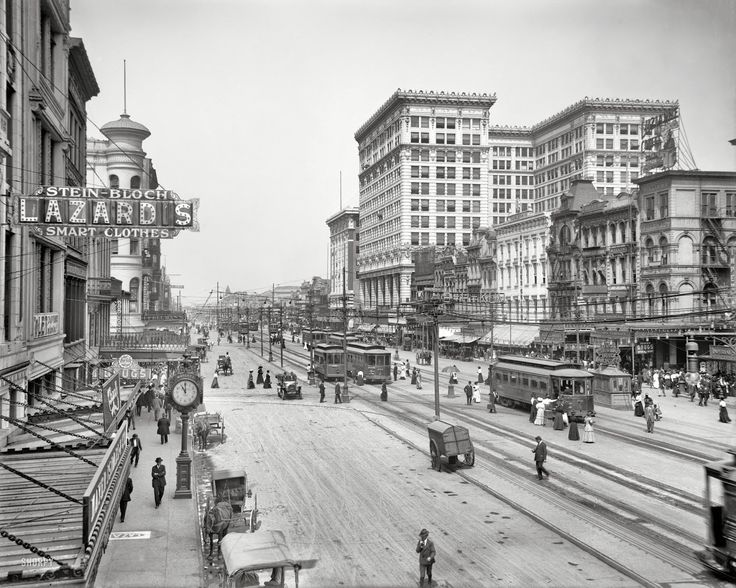
The overall purpose of this blog is to talk about life in the United States from the early until the beginning of World War 2.
After all, this is perhaps the one time when American society changed the most.
More and more people were moving into cities.
More and more factories were becoming bigger and bigger.
More and more immigrants were moving to America in the hopes of beginning a new life.
Home economics courses had been around ever since Abraham Lincoln signed the Morill Act of 1862. This act granted land to each state or territory in America for higher educational programs in vocational arts, specifically mechanical arts, agriculture, and home economics.
College was suddenly available to people of all social classes, not just the richest echelon of American society.
Yet in these early years of college life, women were limited to the study of home economics because women were expected to settle down and manage a home…not bring home the bacon.
So now in these days when more and more women are finding themselves not only bringing home the bacon, but also cooking it and buying it…
Why are fewer and fewer people recognizing the importance of an education in those basic skills that even one “home economics” class can teach?


 Bless Her Heart