
Artists are often very misunderstood during their lifetimes, but very much appreciated later in life.
This is true about Walter Anderson.
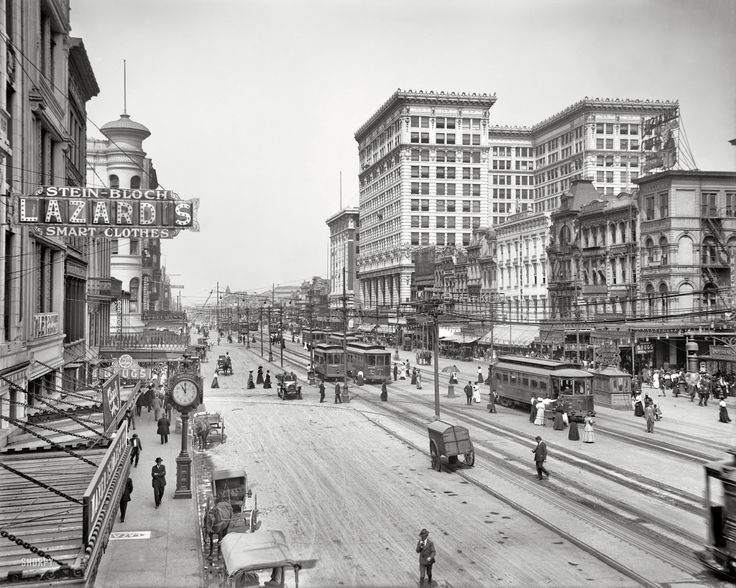
Anderson was born in New Orleans in 1903 and lived on the coast until his death in 1965…when he gained recognition as Mississippi’s most studied and well-known visual artist.
During his lifetime, Anderson avoided the spotlight. His goal was not fame and fortune. Much of his work was still a secret when he died in 1965.
Instead, he wanted his art to help people understanding the bounty of creation, even if only for a moment.

His Works
Walter Anderson was skilled at several art forms: carvings, drawings, murals, sculpture, watercolors and woodblock prints.
His subjects included animals, coastal plants, landscapes and people. He was especially fascinated with myth and folklore.
Anderson is known primarily for the 3,000-square foot murals showing the discovery of the Mississippi Coast.

Anderson’s block prints were quite popular. According to Anderson, these block prints made his work accessible to “people who cannot afford to pay a great deal for works of art, but still have an appetite for beauty.”
Many of these designs can be seen…and items purchased at the museum’s online store.

In 1949, the Brooklyn Museum of Art exhibited his collection entitled Folk Tale and Fantasy: Modern Scroll Prints in Color by Walter I. Anderson.
This exhibit contained six-foot linoleum block print scrolls depicting such folk tale characters as Jack the Giant Killer; Sinbad, the Sailor; Three Billy Goats Gruff; The Pied Piper; and The Golden Apples of Hesperides.

After his death, the mural “Little Room,” was discovered. This mural is now known as the “Sistine Chapel of Mississippi.”
Anderson wanted his viewers to see the physical things in their lives – backyards, oceanside vistas, urban skylines, wilderness landscapes – in a different perspective.
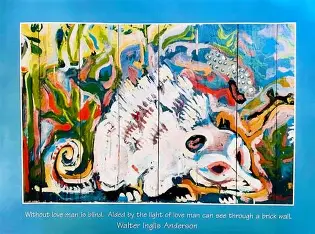
“In order to realize the beauty of humanity we must realize our relation to nature.”
He was inspired by several sources including history, ancient astronomy, literature and folklore.
He believed that nature, in its infinite wisdom and variety, could restore societies to a more perfect and participatory existence.

The nationally accredited museum opened in 1991.
The museum claims that its purpose is “to empower lifelong curiosity and connection to the natural world through the art of Walter Anderson and kindred artists.”
The cathedral-like museum also honors Anderson’s brothers: Peter Anderson (1901-1984), master potter and founder of Shearwater Pottery and James McConnell Anderson (1907-1998), a noted painter and ceramist.
The museum also showcases the collections of visiting artists who have some sort of connection with Anderson’s art or philosophies.
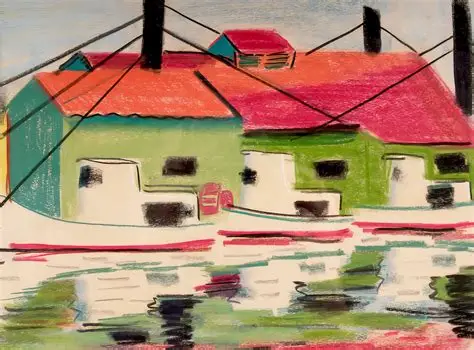
Currently, the Walter Anderson Museum of Art is showing the works of Dusti Bongé, a Biloxi native known for capturing southern culture within her paintings.
Her abstract works are inspired by local features of the Gulf Coast, such as sailboats, shrimp boats and oyster piles.
You can catch the exhibit from now through November 30th.
The Walter Anderson Museum of Art is located at 510 Washington Avenue.
The museum is open Monday – Saturday: 11AM-5PM and on Sunday: 1-5PM…except for on New Year’s Day, Easter, Thanksgiving, Christmas Eve and Christmas Day.
 Bless Her Heart
Leave a comment