
After these crazy Christmas holidays and New Year’s and Netflix-binging sessions while having time away from school and work, one thing is inevitable.
You would probably be totally and completely embarrassed if anyone outside of your immediate family dared to open your fridge.
No telling at this point what they may find.
Checking your fridge, freezer and pantry before grocery shopping is a wonderful idea for finding leftovers that can be made into lovely meals.
But this is probably not the time to salvage your holiday ham.
Instead, once your fridge is empty of holiday leftovers and party foods, take a complete inventory of what you have on hand. Check expiration dates.
(As I sit here writing this, Texas is bracing for a supposedly huge ice storm this weekend. If your power goes out, don’t assume that all of your food is perfectly fine once the power comes back on…
It’s probably not)…
So…
Once you’ve finished off the holidays leftovers and tossed away any inedible leftovers,
Or the power comes back on…(Lord, help us all)…
It’s time to start pitching and planning.
Out with the old…In with the new.
They say that those who fail to plan, plan to fail.
And planning is an important part of almost everything that we do – even running a well-managed home.
Taking time to plan meals and make out grocery saves time and money…(and perhaps arguments with your spouse and family…not to mention gas money from having to make countless trips to the grocery store)…
So, let’s start planning…
And since they say that the way to a man’s heart is through his stomach…
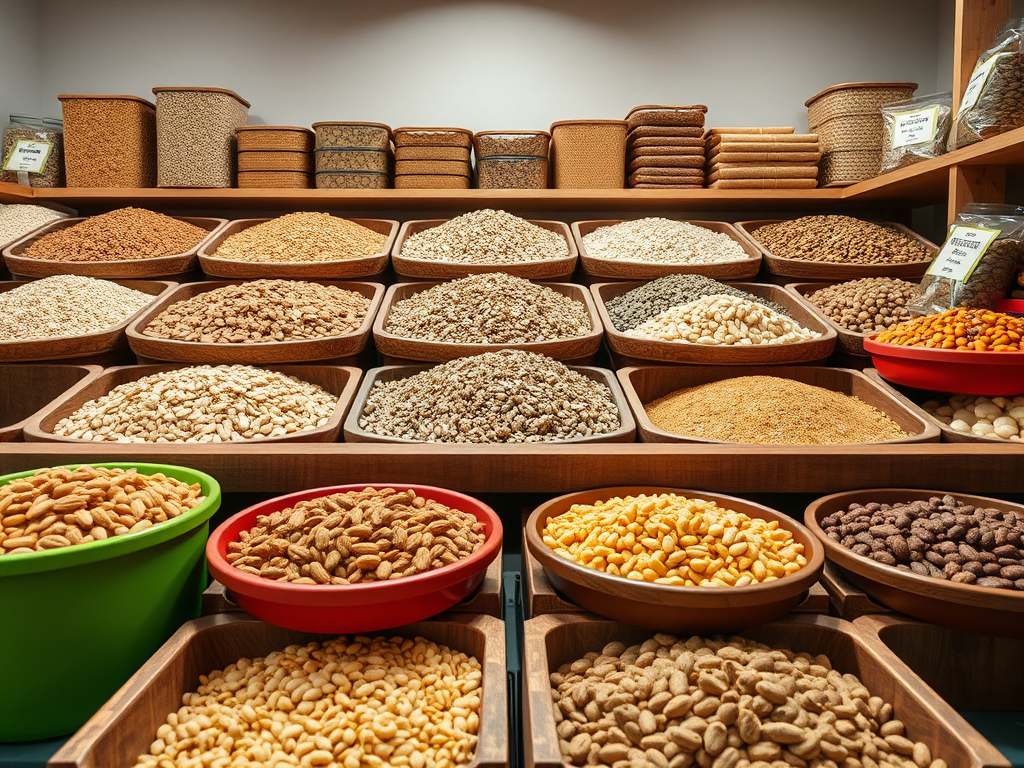
Bulk bins: Do not feel obligated to buy a huge amount. Only buy the exact amounts needed for a given recipe.
Case Sales: Often stores have case sales on dried or canned goods. This can be a great time to stock up on such essentials as Ranch dressing mix and chicken noodle soup…But…Only as much as you realistically will use and can store.
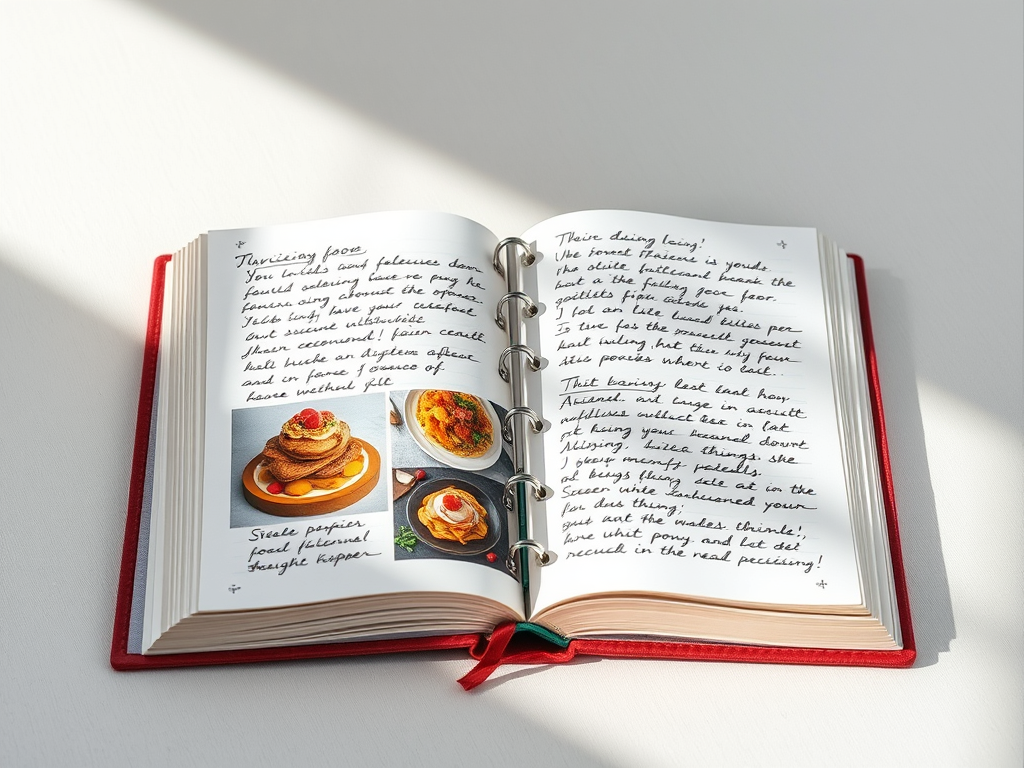
Diary: Keep a log of what food is being thrown away and the reason it is being throw out. Think about what could have been done instead of throwing it away. Could you have frozen it? Added it to a recipe?
Impulse Shopping: Avoid buying things on impulse of just because they are “specials of the week”…especially if these are not foods you normally eat.
And since eating dinner together is probably the most popular thing to do with both old friend and new acquaintances, let’s start with dinner.
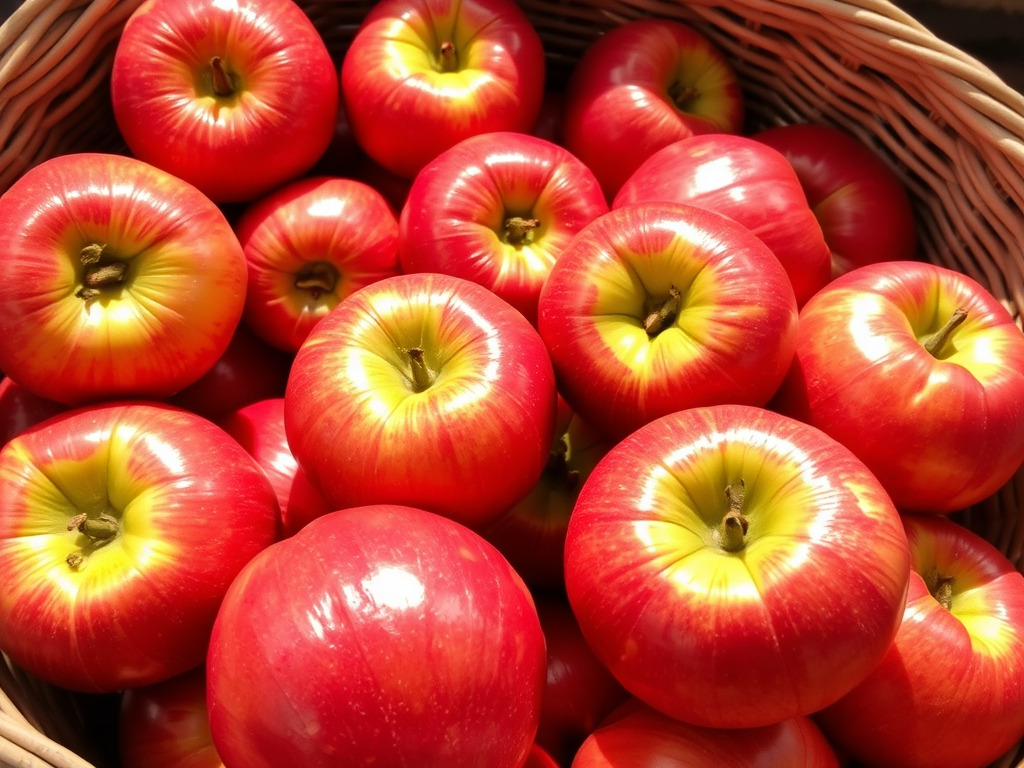
Pre-bagged produce: Avoid bags of fruits and vegetables…After all, exactly how many apples can you actually eat or cook with without them starting to rot?!
Processed Foods: Perhaps you’ve become one of those people who avoid processed foods – no, not those foods with anything and everything added to them. We’re talking about fruits and vegetables that have been preserved to extend shelf life – those foods that are dried, frozen or canned. Too many people have been led to believe that these foods are inferior in taste, texture or nutritional value. Yet most frozen vegetables and fruits available today are “flash frozen,” meaning that the product has been frozen as soon as possible after being harvested to preserve nutrients. Remember that buying frozen foods instead of fresh foods could actually help cut your food waste…and food budget…in half.
Shopping Hungry: Never shop when you’re hungry…even online. This can make a huge difference as far as how much and what foods you purchase.
Overlapping ingredients: When crafting your weekly menu, look for recipes with overlapping ingredients so you can use everything you buy in its entirety
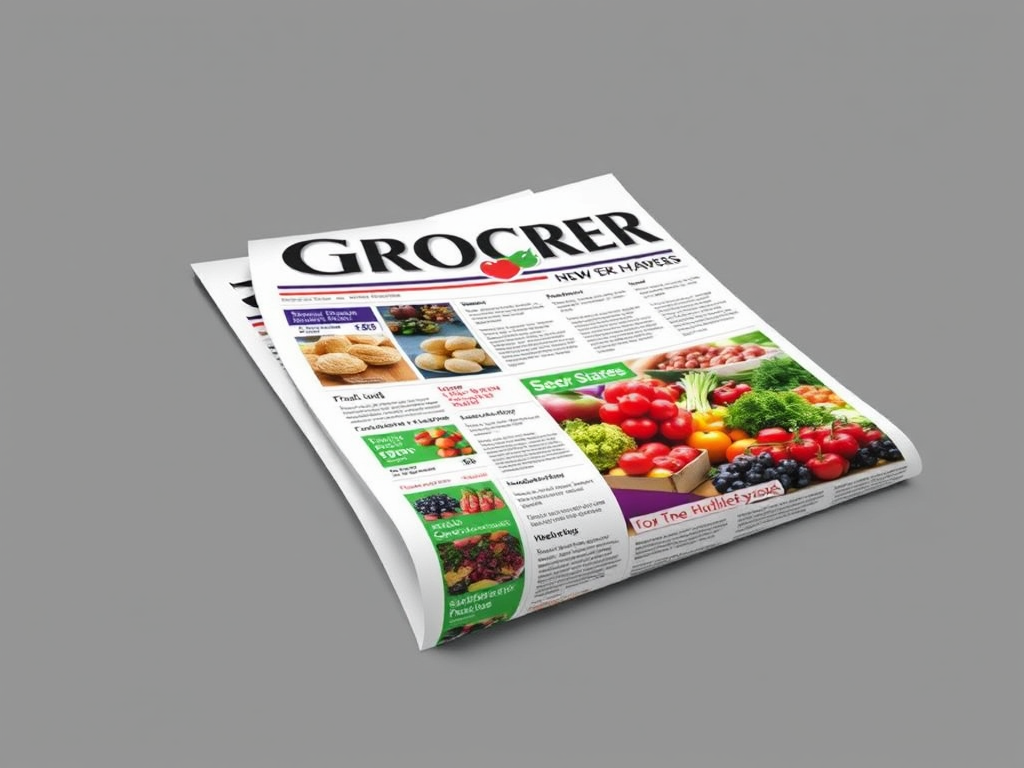
Shop store ads and apps: review local store ads to see what’s on sale then pick recipes that use these discounted foods to save more
Vegan: Going vegan is one of the most effective ways to avoid food waste. Animal agriculture is one of the most wasteful industries on the planet, most of which takes place in the food production and distribution side before it even reaches anyone’s plate. The animal agriculture industry funnels grains and vegetables that could feed humans into raising more than 10 billion cows, chickens, pigs, and other land animals, who are killed for food each year….animal flesh and dairy provide just 18% of calories and 37% of protein for humans, producing them uses 83% of farmland and is responsible for 60% of agriculture-related greenhouse gas emissions. Ending the use of animals’ flesh and milk could reduce global farmland use by a remarkable 75%—and there would be plenty of more efficiently produced food for the world’s inhabitants. By choosing vegan meals, you help use crops less wastefully and reduce the staggering environmental impact of animal agriculture.
 Bless Her Heart
Leave a comment